Understanding the signs of gambling addiction and how to seek help
Recognizing the Signs of Gambling Addiction
Gambling addiction, also known as compulsive gambling, can be difficult to identify at first. Common signs include an increasing preoccupation with gambling, where individuals constantly think about betting or planning their next wager. This obsession often leads to neglecting personal and professional responsibilities, as gambling becomes a priority over relationships, work, and even self-care. For instance, many people might engage in activities like visiting an online casino to satisfy their urges, reflecting their heightened obsession.
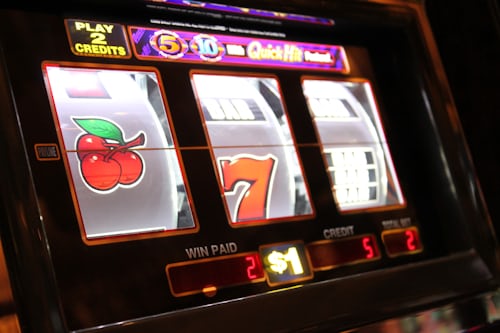
Another critical sign is the development of tolerance, where the individual needs to gamble larger amounts to achieve the same thrill. This can result in escalating financial risk, with gamblers often borrowing money or using savings to fund their habits. Emotional symptoms, such as irritability or anxiety when attempting to cut back, can also indicate a deepening addiction.
The Psychological Impact of Gambling Addiction
The psychological effects of gambling addiction are profound and can lead to severe emotional distress. Many individuals experience feelings of shame, guilt, or depression as they struggle to manage their gambling behavior. These feelings can create a vicious cycle, where the individual gambles to escape their negative emotions, only to feel worse afterward.
Moreover, the addiction can cause significant disruptions in personal relationships. Friends and family may notice changes in behavior, leading to conflict and strained interactions. This isolation can further exacerbate the individual’s feelings of loneliness, fueling the gambling behavior as a means of coping.
Seeking Help for Gambling Addiction
Recognizing the need for help is a crucial step in overcoming gambling addiction. Various resources are available, including therapy and support groups, such as Gamblers Anonymous. These platforms provide a safe space for individuals to share their experiences, fostering a sense of community and understanding.
Professional treatment options often include cognitive behavioral therapy (CBT), which helps individuals address the underlying thoughts and behaviors associated with gambling. Therapy can assist in developing healthier coping mechanisms and strategies for managing urges, ultimately paving the way for recovery.
Support Systems and Resources Available
In addition to therapy, there are numerous resources available to support those dealing with gambling addiction. Hotlines and online forums can provide immediate help and a sense of community. Many organizations offer counseling services specifically tailored for those affected by gambling issues, including family members who may also be struggling.
It’s essential for individuals to connect with these support systems to combat feelings of isolation and despair. Sharing experiences and learning from others who have faced similar challenges can be incredibly empowering and provide hope for recovery.

Prioritizing Safety and Security Online
As you seek help and information regarding gambling addiction, it’s vital to engage with secure and trustworthy platforms. Online resources should prioritize user safety by employing advanced security measures to protect sensitive information. This commitment to safety fosters a reliable environment for those seeking guidance and support.
Finding accurate, reliable content can be challenging; however, when using secure websites, individuals can feel confident that their personal data is protected. This reassurance is critical as individuals navigate their journey toward recovery and seek the help they need to overcome gambling addiction.